
Private property
What we take on
6 situations, grouped by how hard the animal is to reach rather than by what it is. In Washington that grouping does real work, because so much of the housing stock puts the difficult cases in a vented void under the floor rather than out on the lawn.
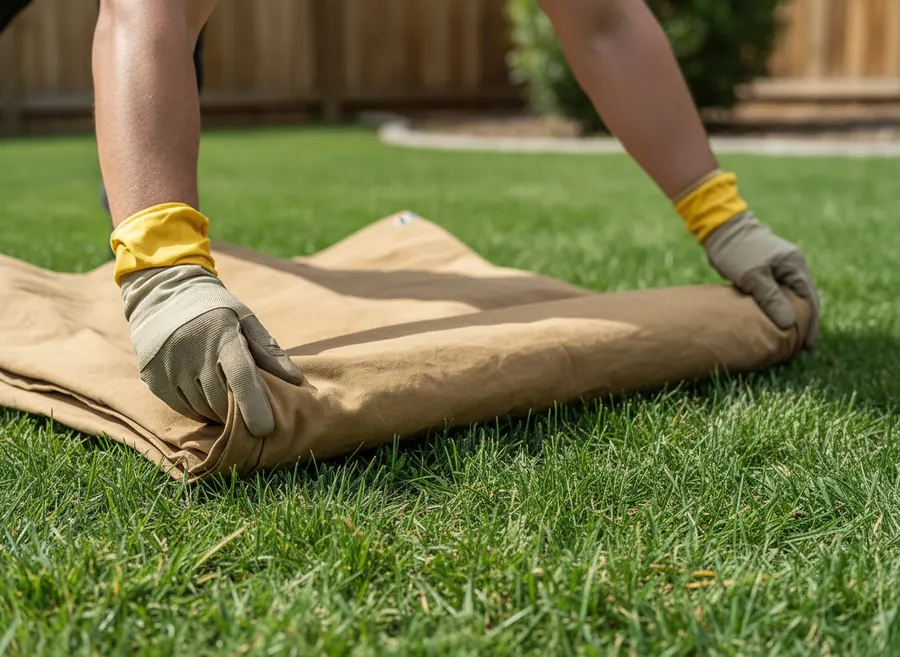
In the yard
Lying in the open where you can see it. The simplest situation to describe and the one where whose job it is gets decided fastest.
What this involves →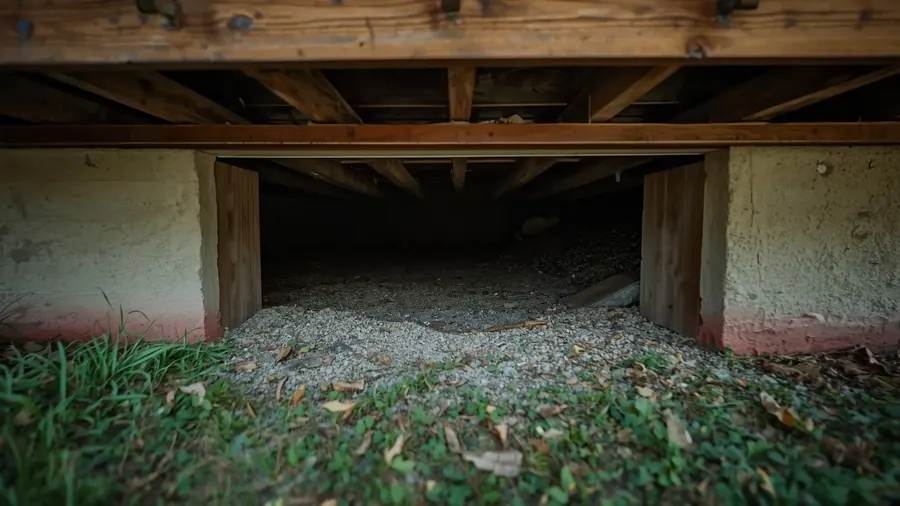
Under a deck
The void under a deck, a porch or a shed floor. Reachable far more often than people expect, and rarely requiring anything to be cut.
What this involves →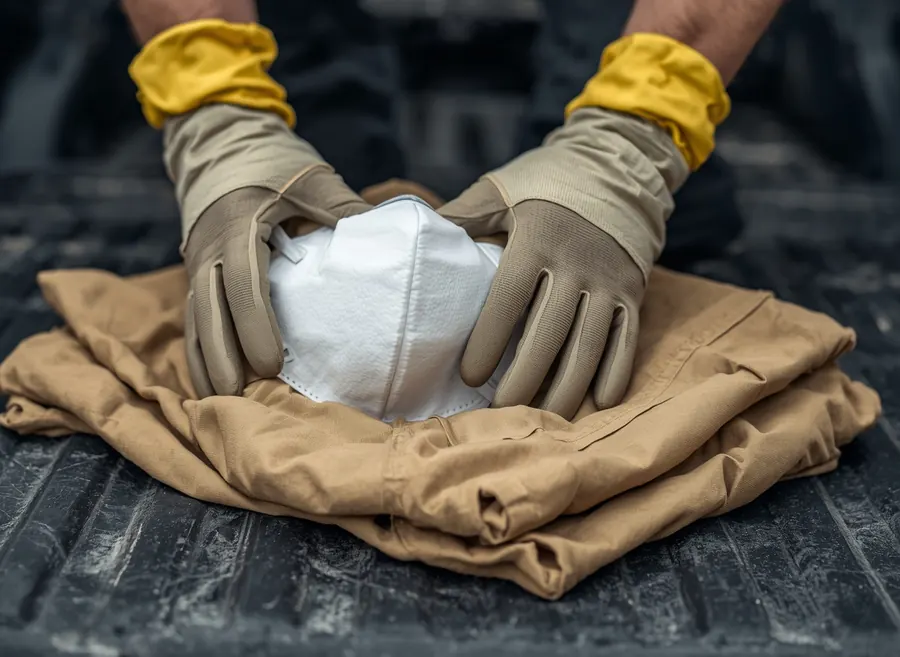
Crawl space
Under the floor, in the vented space that most western Washington houses have instead of a basement or a slab.
What this involves →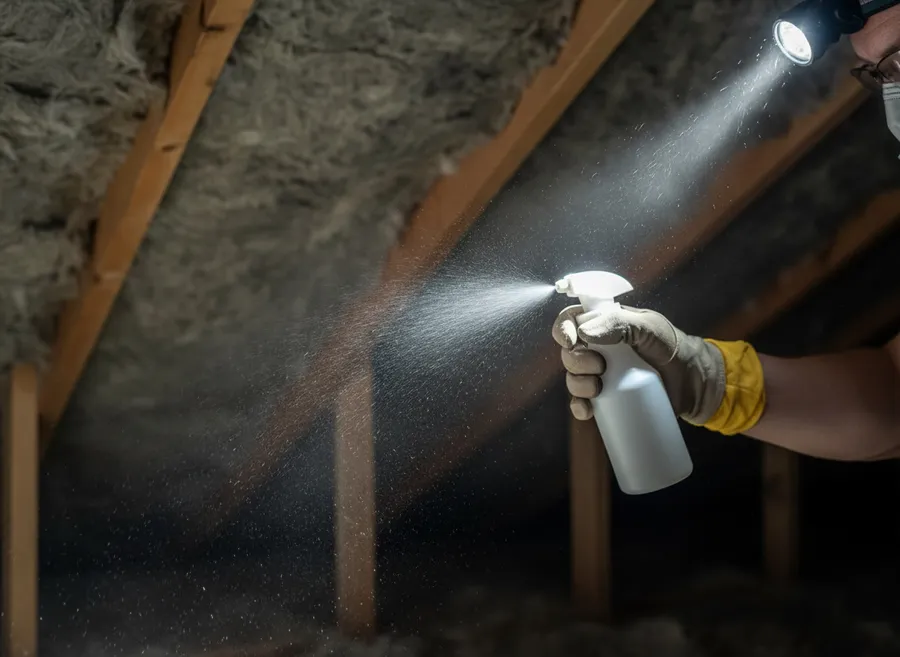
Attic or soffit
Above the ceiling, or in the eave and soffit voids that connect to it. Reachable where the attic is walkable and the animal is not inside a sealed cavity.
What this involves →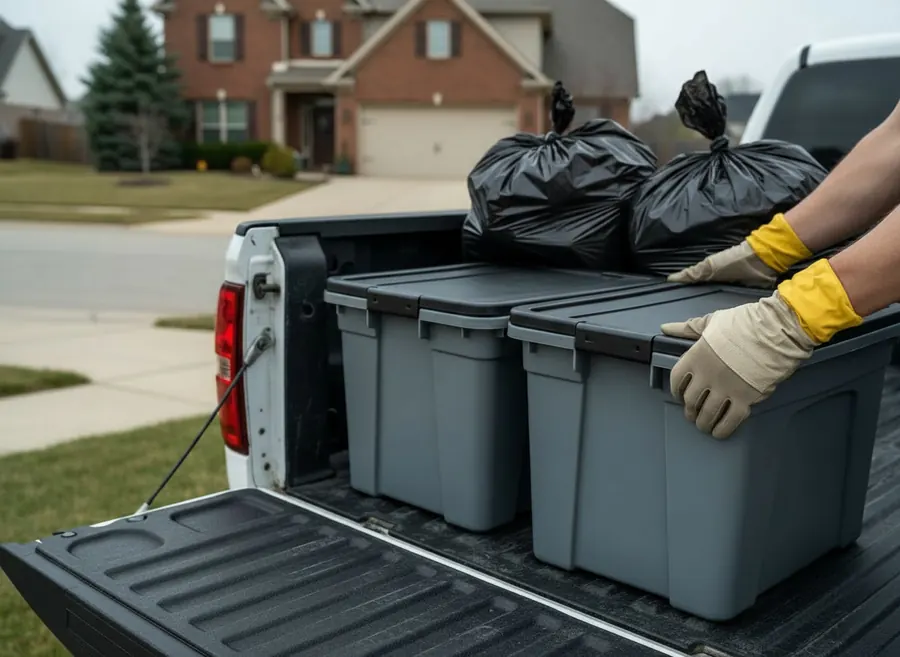
Commercial property
Businesses, rentals, HOAs and managed sites, where the public options that exist for residents usually do not reach.
What this involves →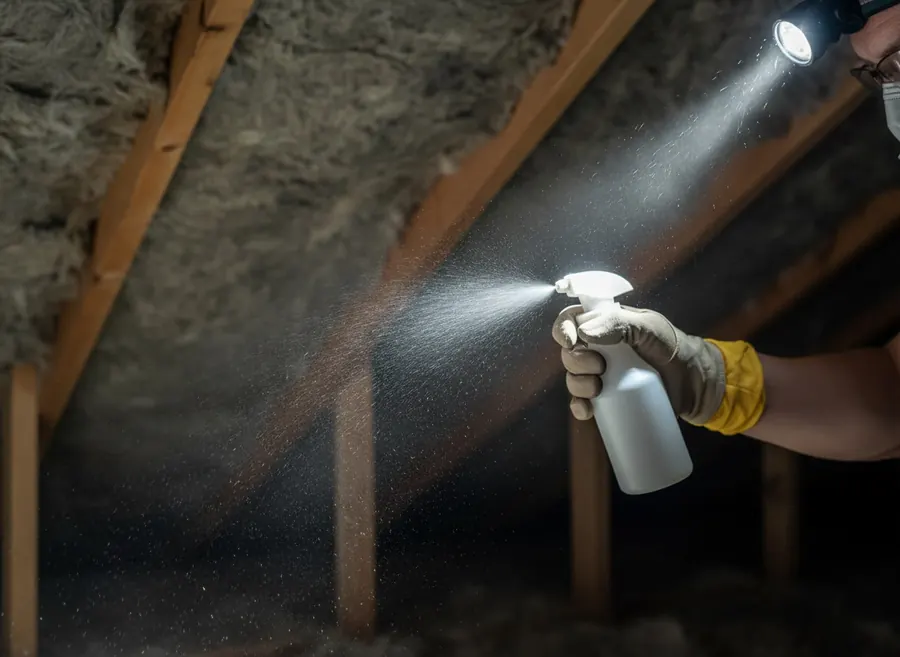
Smell, no source
You know what you are smelling and you cannot find it. The search is the job, and sometimes the answer is that it is not an animal at all.
What this involves →Photographs on this site are stock or AI-generated images showing conditions and equipment typical of this work. They are not photographs of jobs carried out by this site or by any operator.
Not on this list on purpose: a page for each species. A dead raccoon in an attic and a dead opossum in an attic are the same job, and splitting them into separate pages would pad the site without telling you anything. Where a species genuinely changes the answer, it is covered inside the relevant page.