
Washington, private property
Dead Raccoon Removal
Attics, crawl spaces and chimneys are all on WDFW's list of raccoon den sites, and a Washington house built over a vented crawl space often has all three, so those are the places to search once the smell starts. An adult weighs 15 to 40 pounds by WDFW's figures, which puts most grown raccoons over the 15-pound line Seattle and King County draw for the household can.
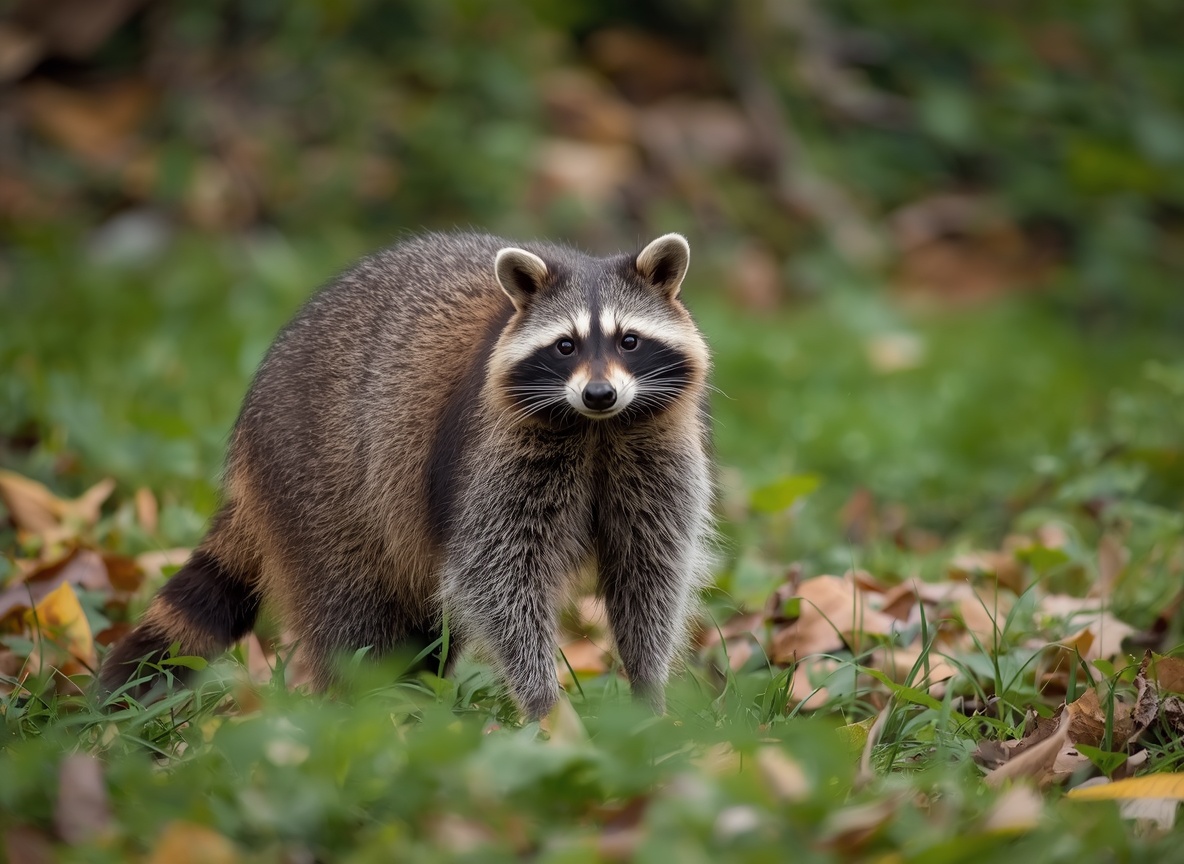
Before you pay anyone. Find out whether there is a raccoon latrine near the smell. WDFW says raccoons keep toilet areas inside and outside buildings, and that their droppings can carry a roundworm whose eggs stay alive in soil for several months. If you find a pile, keep children and pets clear of it and mention it on the call.
What this covers
- Attic floors and insulation reachable from the hatch
- Crawl spaces with a working access panel
- Chimneys where the raccoon can be reached from the cap or the firebox
- Voids under decks, porches and sheds
- Yards, driveways and the ground below backyard trees
Where the limit is
A raccoon sealed inside a finished wall or ceiling is handled as information, starting with the page on a smell with no visible source, unless an attic or crawl space gives a way to it. Clearing a latrine is separate work from recovering the carcass, so ask about it on its own terms.
WDFW describes a raccoon den entrance as usually at least 4 inches high and 6 inches wide. Look for a hole that size in a soffit, a vent screen or a crawl space panel before calling, because the search starts from wherever the raccoon got in.
How a call goes
- Say where the smell or the body is, and where the raccoon got in if you know
- Mention droppings, any bite or scratch, and any pet that reached the carcass
- Who makes the WDFW phone notification is agreed before it is moved
- If the raccoon is reachable, the price is fixed by phone before a visit is booked
- If it could only be reached by cutting into the house, you hear that plainly
Questions about this animal
Raccoons carry rabies in other states. What about Washington?
The Department of Health says that in Washington, bats are the one mammal known to carry rabies, and no rabid raccoon has been identified here recently, though a bat can pass the virus on to a raccoon. If a person was bitten or scratched before this one died, wash the wound with soap and water and call your health care provider and the local health department. For a pet, WDFW's raccoon guidance says to clean the wound the same way and call your veterinarian.
Could bird flu have killed it?
Possibly. WDFW has confirmed H5N1 in Washington raccoons, with cases in San Juan and Whatcom counties in December 2025, and says mammal infections trace back to scavenging infected animals. Report a raccoon found dead with no sign of injury through WDFW's online tool, and leave it where it lies if you can, which is WDFW's advice for sick or dead wildlife.
Will animal control take a raccoon?
Usually not, and several cities say so. Yakima's community service officers pick up dead animals from streets and sidewalks, and the police department sends raccoon problems to a wildlife control operator. Camas says its animal control officers may not handle raccoons or other wildlife. Seattle leaves wild animals under 15 pounds to residents and collects large ones on request, and its published service says nothing about attics or crawl spaces.
Does anyone need to hear about it before it comes out of the attic?
Yes. Under WAC 220-400-040, a raccoon that died on land you own can come out only after a phone call to WDFW or to the Washington State Patrol's communications office, with your contact details, a description of the raccoon and where it lies. RCW 77.08.010 counts a carcass as wildlife, and whatever is removed under that permission stays the property of the state.
What about the droppings it left in the attic?
Handle them with care. WDFW's raccoon guidance says never to touch or breathe in raccoon droppings, and to wear rubber gloves and a mask when cleaning places raccoons have used, because roundworm eggs shed in the droppings can make people ill.
What usually kills raccoons in Washington?
WDFW names canine distemper as a major cause of raccoon deaths, alongside vehicles, starvation and predators, and says young raccoons are the likeliest to starve in late winter and early spring. Distemper is also fatal to dogs, which is why WDFW recommends keeping dogs vaccinated and away from raccoons, this one included.
Not sure this is the right page? Who removes a dead animal in Washington works through the public and private split, and the county pages give the published position where you live.