
Washington, private property
Dead Opossum Removal
Under a Washington porch or shed, in a crawl space or up a chimney, an opossum can die in a den you never saw it use, because WDFW says opossums move to a different den every few days. The state's opossums descend from pets and novelties brought in during the early 1900s, WDFW adds, and now occupy most human-occupied habitat in western Washington below the higher elevations.
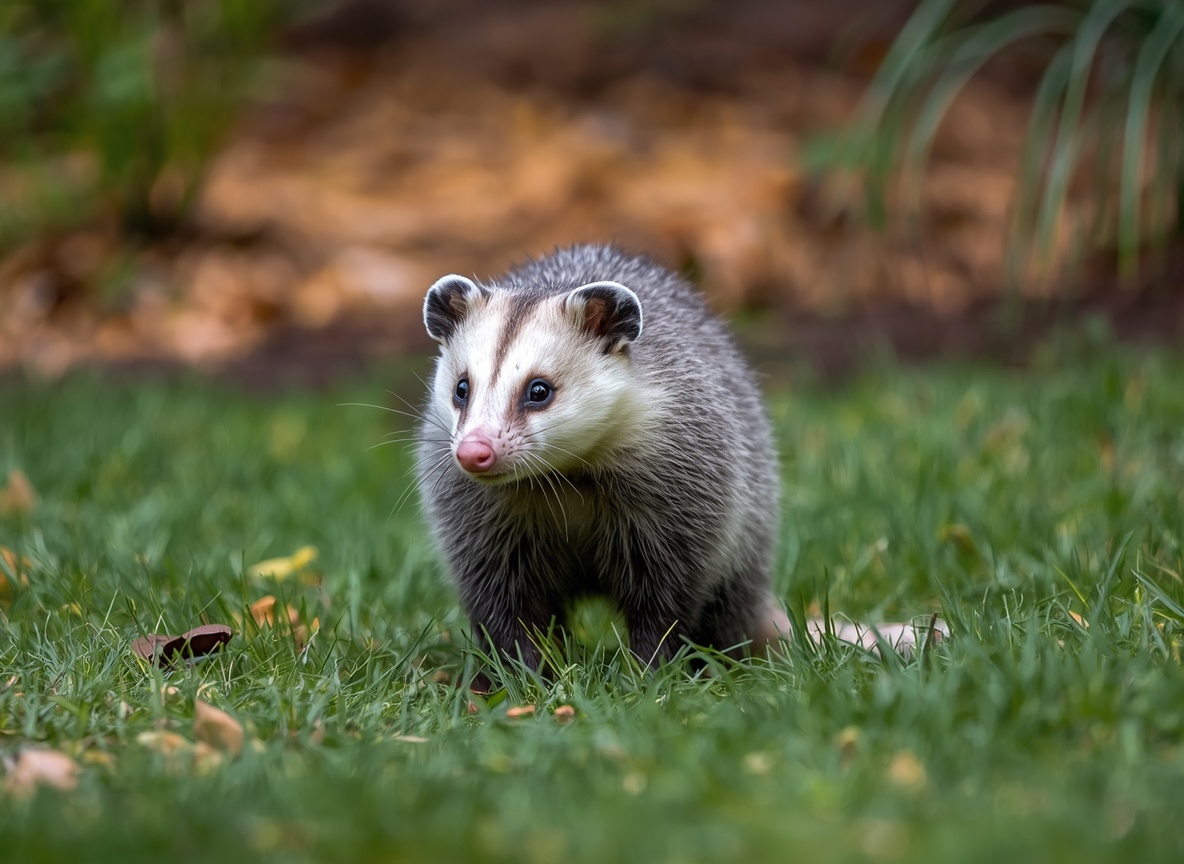
Before you pay anyone. Confirm it is dead first. WDFW describes an opossum playing possum as lying on its side, mouth open and drooling, ignoring any prodding for minutes or even hours while its body carries on as normal. Watch from a distance for the ears to twitch.
What this covers
- Under decks, porches and shed floors
- Crawl spaces entered through a torn vent screen or a loose panel
- Attic floors and chimney tops where the opossum can be reached
- Garages, carports and woodpiles
- Barns, feed rooms and hay storage on horse property
Where the limit is
An opossum that died behind plaster or wallboard, with no attic or crawl space route to it, is handled as information, and the wall stays closed. A live opossum, including one that turns out to have been playing dead, is an exclusion question for WDFW's guidance or a wildlife control operator.
WDFW says opossums line their dens with dry leaves and grass carried in a coiled tail. A pad of dry bedding just inside a crawl space vent or under the edge of a deck is a useful marker, because it shows where the animal was living.
How a call goes
- Check from a distance that it has not moved, then say where it is
- Say whether it is on open ground, under a structure or inside the house
- Mention horses, or feed and hay stored nearby
- The WDFW notification and the price are both dealt with on the call
Questions about this animal
It looks like a huge rat. Does that change anything?
It changes the paperwork. WDFW notes that a small opossum is sometimes mistaken for a large rat, and Washington law treats the two differently. RCW 77.08.010 leaves old world rats out of its definition of wildlife but keeps opossums in, so an opossum on your land triggers the WAC 220-400-040 duty to phone WDFW or the State Patrol before moving it, and a Norway rat does not.
Could it have had rabies?
WDFW's opossum guidance states that the rabies virus does not exist in Washington opossum populations. Opossums can carry other diseases, so WDFW still tells anyone handling one, dead or alive, to wear rubber gloves and wash their hands well afterward.
It died in the barn near the horse feed. Should I worry?
Check the feed. WDFW's opossum publication cites convincing evidence that opossums carry the parasite behind equine protozoal myeloencephalitis, a nervous-system disease in horses, and warns that droppings can stay infectious for as long as a year. Look over grain, hay and bedding near where it lay before feeding, and close up feed bins so the next opossum cannot reach them.
Will animal control collect a dead opossum?
Rarely. Camas publishes that federal and state law keeps its animal control officers from handling wildlife, and names the opossum. Lakewood is an exception, publishing that its officers will respond to private property for dead wildlife. Anywhere else, read the county or city page here before expecting a truck.
There may be babies. What then?
WDFW says five to ten young crawl into the mother's pouch soon after birth and later ride on her back, and that breeding can run from January to mid-November. If anything in the pouch or nearby is moving, say so on the call before the body is moved.
Not sure this is the right page? Who removes a dead animal in Washington works through the public and private split, and the county pages give the published position where you live.