
Washington, private property
Dead Skunk Removal
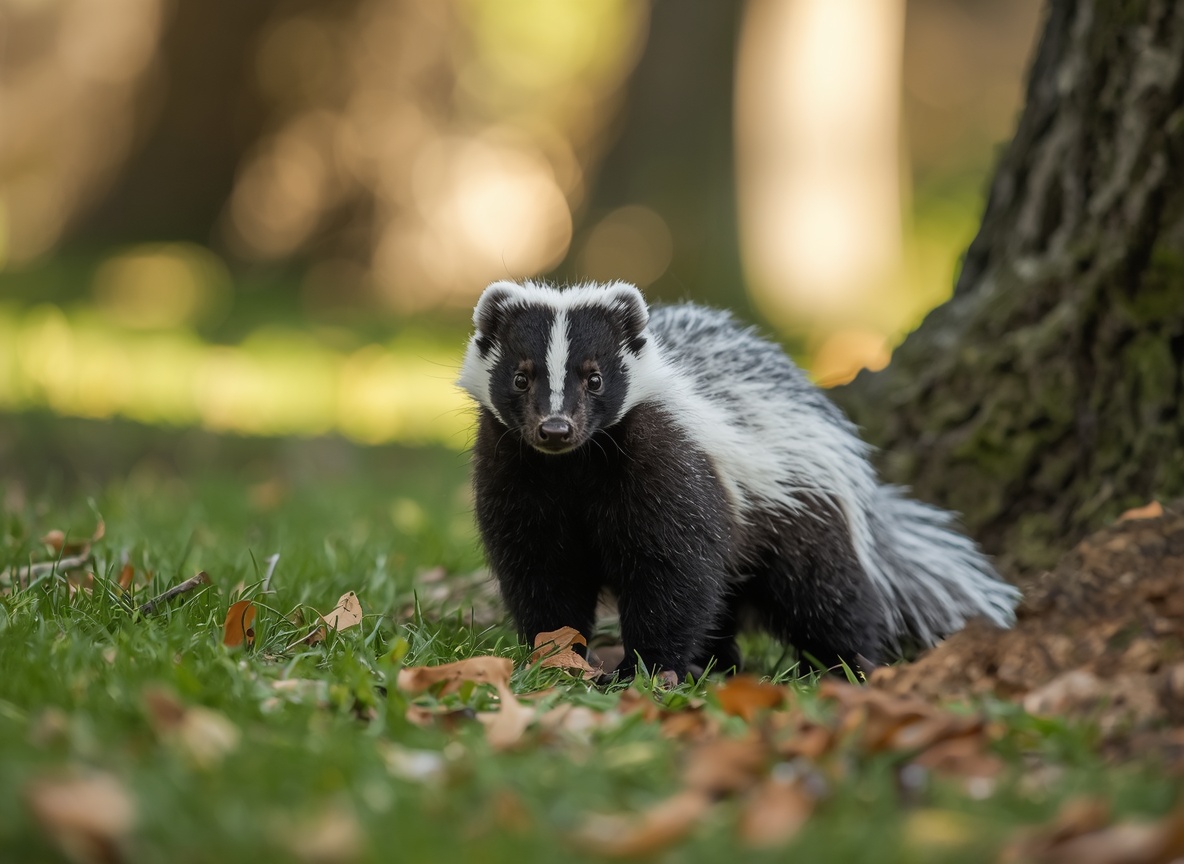
For a dead skunk at a Washington home, the first places to look are under the porch, the shed, the house and any concrete slab, since WDFW lists buildings, porches and slabs among skunk den sites. The state has two species. Striped skunks live in most lowland areas, and the spotted skunk, found across western and southeast Washington, climbs well enough to den in an attic.
Before you pay anyone. Look for the body itself. By WDFW's account, a lingering smell beside freshly dug soil at a hole under a building or woodpile means a skunk may be living there, and musk is oily and slow to fade where air barely moves, so spray alone can hang on with no carcass anywhere.
What this covers
- Under porches, stoops and raised entry steps
- Beneath sheds, outbuildings and the edge of a slab
- Crawl spaces reached through a hatch or a broken vent
- Woodpiles, rock piles and fence corners
- Attic floors a spotted skunk climbed into, where reachable from the hatch
Where the limit is
Deodorizing a house, a crawl space or a sprayed dog is a separate matter from removing a dead skunk, and nothing here promises the smell goes when the body does. A skunk sealed under a slab or inside a finished wall with no opening is handled as information.
WDFW notes that skunks more often take over burrows dug by ground squirrels, marmots and other animals than dig their own. When one dies deep in a burrow under a slab, the part anyone can get to may end at the entrance, and that limit gets stated before anyone is booked.
How a call goes
- Say where the body or the smell is, and whether the spot is under a slab, a porch or a building
- Mention whether a pet or a person touched it or was sprayed
- The phone notification to WDFW or the State Patrol is sorted out before anything is moved
- If the skunk can be reached, the price is agreed on the call
Questions about this animal
Do skunks carry rabies in Washington?
Not that the Department of Health has found recently. DOH names bats as the only mammal known to carry rabies in Washington, while noting the virus can spill over from bats to skunks. If this skunk bit anyone, DOH says to wash the bite with soap and water at once, then call a doctor and the local health office about rabies exposure. Washington also requires dogs, cats and ferrets to be up to date on rabies vaccination, so if a pet got to this skunk, check its record with your vet.
Can I leave it under the porch to rot?
Washington's disposal rule does not treat that as a default. WAC 246-203-121 lists burial, landfilling, incineration, composting and rendering, and allows natural decomposition only as a method the local health officer approves. The same rule gives the property owner 72 hours from discovery when nobody can be identified as the animal's owner.
Will the county take a skunk off the road outside my house?
Some will, from the road only. Spokane County's road maintenance crews name skunks among the wildlife they clear off county roads and county-owned right-of-way, and rule out private property entirely. In Yakima, the city's officers clear dead animals off streets and sidewalks, while nuisance wildlife such as skunks is left to wildlife control operators.
Could there be more skunks under there?
Depending on the season, yes. WDFW says skunk young are born in late April and May in litters of four or five, that striped skunk families often stay together through winter, and that females sometimes share dens. Before anyone blocks the gap the dead one used, WDFW's advice is to make sure no live animal gets shut inside.
My dog found it first. What should I watch for?
H5N1 has turned up in Washington skunks, including a striped skunk in Clallam County in January 2026, and WDFW advises keeping pets away from wildlife found dead of unknown causes. If your dog had contact and then seems unwell, take it to a vet. For a dog that was sprayed, WDFW suggests a strongly alkaline laundry soap and warns never to use bleach or ammonia on a pet at any dilution.
Not sure this is the right page? Who removes a dead animal in Washington works through the public and private split, and the county pages give the published position where you live.